
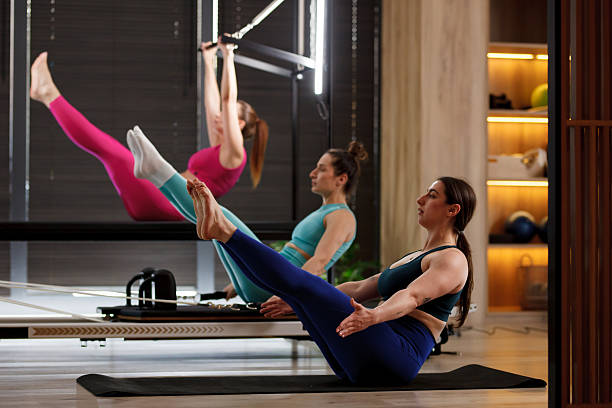
Balance can get worse slowly. Then, one day, it feels sudden. A person may wobble on stairs. They may trip on a curb. They may feel unsure on slick floors. Because daily life moves fast, this can feel scary. Balance can be trained with steady practice. It often improves when the body learns better control and alignment.
In Gold Coast, Chicago, many people sit for long hours and move in short bursts. That pattern can tighten hips and round shoulders. It can also make the core switch off during movement. As a result, the body may rely on quick, shaky fixes. This guide explains simple reasons for balance slips and clear ways to train it. It also explains how Pilates personal instructors in Gold Coast Chicago IL, can guide one-on-one sessions with safe, purposeful exercises.
What Makes Balance Harder Over Time
Balance is not only standing still. Instead, it is control during small changes. For example, it is stepping, turning, and reaching. Over time, posture can drift. Then, the body may stop stacking well over the feet. Because of that, the brain gets mixed signals. Also, stiff hips can limit steady steps. Tight shoulders can pull the ribs forward. Then, the head may drift ahead of the body. As a result, the body works harder to stay upright.
Many people move in the same ways each day. They sit, drive, and then stand fast. However, balance improves with varied, mindful movement. One-on-one Pilates sessions can help retrain how the body supports itself during daily tasks. That training focuses on alignment, control, and steady progress.
Common Signs Balance Is Slipping
Balance problems often show up in small moments. So, it helps to notice patterns early. When a person sees the pattern, they can train with purpose.
- Swaying while brushing teeth at the sink
- Grabbing walls when turning a corner
- Feeling unsteady when looking down at a phone while walking
- Clunky steps when going down stairs
- Needing a wide stance to feel stable
These signs matter because they point to control issues, not just strength. Also, they can link to alignment habits. For example, a tilted pelvis can change how the feet load. The body may wobble during a simple reach. With guided practice by Pilates personal instructors in Gold Coast Chicago IL, many people learn steadier movement by improving control, not by forcing harder workouts.
Why Posture and Alignment Affect Balance So Much
Balance improves when the body is stacked well. So, posture matters more than many people expect. When shoulders roll forward, the ribs may tip. Then, the pelvis may shift to “catch” the weight. As a result, the body becomes less stable.
Also, tight hips can limit how the legs support the trunk. That can make steps feel short and rushed. However, training can help the body move with more ease. In Pilates, exercises are chosen on purpose. They support better alignment and technique. This approach can be especially helpful for people who feel stiff or off in the morning. In Gold Coast, one-on-one sessions focus on how the body moves in real life, not just in class. That includes sitting, carrying a bag, and climbing stairs.
A Simple Way to Test Your Balance at Home
A quick test can show what needs work. Stand near a counter for safety. Place one fingertip on the counter. Shift weight slowly onto one foot. Keep the other toes on the floor at first. After that, lift the toes for two seconds. Place them down again.
If the body wobbles a lot, that is useful feedback. It may mean the hips or core are not supporting well. It may also mean the body is leaning instead of stacking. However, the goal is not to push through. Instead, it is to train control with small steps. For extra safety, keep the eyes forward and the chest relaxed. If pain shows up, stop. Then, use guided training by Pilates personal instructors in Gold Coast Chicago IL, rather than guessing.
Training Plan: What To Practice and What to Avoid
Balance work should feel steady, not scary. Small practice beats big effort. Also, consistency matters more than intensity.
- Practice slow weight shifts, not quick hops
- Train single-leg support with a hand nearby
- Use controlled breathing during movement
- Focus on even foot pressure, not gripping toes
- Avoid rushing through hard moves with poor form
This is where one-on-one guidance can help. In Gold Coast, Pilates personal instructors in Gold Coast Chicago IL watch how the body moves that day. They adjust the session based on what the body needs. That keeps training safe and purposeful. It also helps reduce the random workout problem that leaves people unsure if they are doing moves right.
Balance Problems and the Next Best Focus
A simple map can make balance training feel clearer. The table below links common balance struggles to a practical next focus.
| What feels hard | What to focus on next |
| Wobble during turns | Slow control and alignment while rotating |
| Unsteady on stairs | Hip support and steady step placement |
| Sway while standing | Core control and even foot pressure |
| Tight hips while walking | Mobility work paired with control |
| Neck and shoulder tension | Posture stacking and relaxed breathing |
This kind of plan helps keep training targeted. It supports steady progress without guessing. In Gold Coast, Pilates personal instructors in Gold Coast Chicago IL, often guide exercises that build control for daily movement, not just fancy skills. That approach can help the body feel safer and more stable over time.
How One-On-One Sessions Build Real-Life Balance
Group classes can be helpful. Balance training often improves faster with focused attention. In one-on-one sessions, the instructor can notice small shifts. For example, the hips may tilt. The shoulders may tense. The Pilates personal instructors in Gold Coast Chicago IL, can guide a gentle correction.
This work is not about pushing through pain. Instead, it aims for smarter movement and better alignment. It also focuses on how a person moves when no one is watching. That includes desk posture, carrying a bag, and climbing stairs.
In Gold Coast, sessions are built around how the body feels that day. That matters because stiffness and stress can change movement. With safe, guided exercises, many people build control, flexibility, and better coordination. As a result, balance can feel more reliable.
A Steady Next Step for Better Balance
Balance can get worse for simple reasons. Posture can drift. Hips can tighten. Daily movement can become narrow and rushed. Balance can improve with calm, steady training. It helps to notice early signs. It helps to practice control in small steps. It helps to build strength and alignment together, not in isolation.
For people who want more support, one-on-one instruction can remove the guesswork. It can also keep practice safe and consistent. Better Posture Pilates offers one-on-one sessions in the Gold Coast area with guided exercises chosen on purpose, with steady progress in mind. To move forward with confidence, schedule a session and start building stronger balance habits, one step at a time.
