
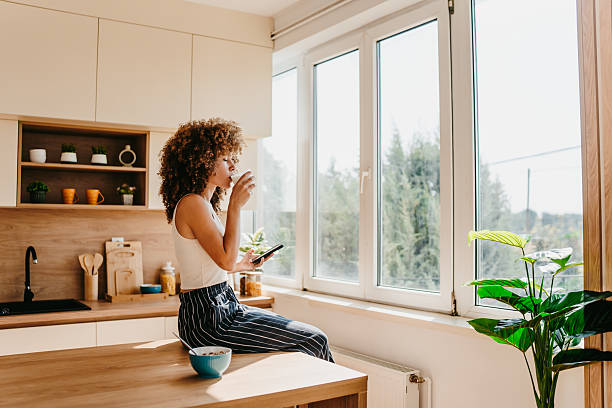
Most people think wellness has to cost money. However, that idea trips many people up. Real change often starts with small choices. It also starts with things already at home. A glass of water. A short walk. A calmer night. These tiny steps add up fast. Plus, they feel doable on busy days. That matters because life gets loud. If someone wants daily wellness habits that feel simple, this guide helps. It stays practical and low-cost. Even better, it avoids strict rules. Instead, it focuses on steady wins. So, the goal is not “perfect.” The goal is “better than yesterday.” And yes, that can happen in one day.
Why Small Daily Wellness Habits Beat Big Plans?
Big plans sound exciting at first. Still, they often fade by week two. Small habits work because they fit real life. For example, five minutes is easier than fifty. Also, a habit that feels easy gets repeated. Then, repetition builds confidence. Over time, confidence builds momentum. That is when change starts to stick.
Another reason small habits help is stress. When people feel stressed, they choose the fastest option. So, a simple plan beats a complex one. Plus, small wins lift mood. That makes the next choice easier.
It also helps to pick habits that match the day. Some days need energy. Other days need calm. Therefore, a flexible approach works best. And since these ideas cost little, people can try them without pressure.
Start With Water and Light
Many people wake up tired and blame the day. However, the morning routine may be the real problem. Hydration is a simple place to start. After sleep, the body needs fluids. So, drinking water early can help focus. It can also help digestion.
Light matters more than most people think. Morning light supports the circadian rhythm. That is the body’s daily clock. When it works well, sleep often improves later. So, opening blinds helps. A quick step outside helps even more.
A slow start can lower stress. A few deep breaths can calm the nervous system. Then, the mind feels less rushed. If mornings feel chaotic, keep it basic. Water first. Light next. After that, the day feels easier to handle.
Move in Tiny Bursts, Not Marathons
Exercise does not need a gym. In fact, short movement breaks can be enough. Physical activity boosts mood and energy. It also helps joints feel less stiff. So, it supports the body in many ways.
Walking is a great starting point. It is simple, and it works almost anywhere. Some people aim for daily steps. Others walk after meals. Either way, it helps with blood sugar and focus.
Stretching also matters. A few minutes of mobility work can ease neck and back tension. Plus, it can reduce aches from long sitting. If motivation feels low, start smaller. Try for two minutes. Then, add one minute next week. Over time, daily wellness habits like short walks can feel normal, not forced. Also, pairing movement with music or a short podcast can make it fun. Soon, the body starts to crave that daily reset.
Eat Simple, Not Perfect
Food choices can feel confusing. However, balanced nutrition can be simple. The goal is not fancy meals. The goal is steady fuel. Whole foods often help with that. They usually have more fiber and nutrients. So, they keep people full longer.
Also, small swaps can change a day. For example, add fruit to breakfast. Or add beans to a salad. These moves cost little and help a lot. To make it easier, here is a quick table of low-cost ideas:
| Small Habit Swap | Cost Change | Time Needed | Helpful Why |
| Add a glass of water to meals | $0 | 1 minute | Supports hydration and energy |
| Choose oats instead of sugary cereal | Low | 5 minutes | Steadier energy and fiber |
| Add frozen veggies to dinner | Low | 3 minutes | More nutrients with less waste |
| Pack a simple snack | Low | 2 minutes | Fewer stress cravings |
So, the key is consistency. Simple meals beat perfect plans.
Calm the Mind on Busy Days
Stress shows up in the body fast. It can tighten the shoulders. It can also mess with sleep. So, stress management matters. The good news is that calm can be practiced. It does not need special tools. Daily wellness habits can fit right into a busy day, too.
Mindfulness is one option. It means noticing what is happening right now. For example, feel your feet on the floor. Notice the air moving in and out. This sounds small, yet it can slow racing thoughts.
Breathing exercises also work well. A slow inhale, then a longer exhale, can signal safety to the body. Meditation can help too, even for two minutes. It is not about “clearing the mind.” It is about returning attention, again and again. When people build habits for calm, they often react less. Then, choices feel easier all day.
A Digital Break That Actually Sticks
Phones help a lot. Still, they also drain attention. Therefore, a digital detox can be a smart habit. It does not mean quitting tech. It means using it with purpose.
Also, small rules work better than big rules. Try one or two that feel realistic:
- Keep the phone out of reach during meals.
- Turn off non-needed notifications for one day.
- Set a “no scroll” time for the first 15 minutes awake.
- Use a timer for social apps, then stop when it ends.
These steps can lower stress. They can also help focus on return. Plus, less screen time often means more time for movement and connection. If someone slips, that is normal. Just restart the next day. A small reset still counts. Also, try keeping the phone out of the bedroom at night. That one change can protect sleep. Another easy idea is to check messages only at set times. Then, the brain feels less “on call” all day.
Sleep That Feels Like a Superpower
Sleep is not lazy. It is repair time. So, sleep hygiene is a true wellness habit. The goal is a routine the body can trust. That is why the circadian rhythm matters again. When bedtime and wake time stay steady, sleep often improves.
Also, an evening wind-down can be simple. Try a few of these:
- Dim lights about an hour before bed.
- Keep the room cool and dark.
- Put screens away 30 minutes before sleep.
- Read a short book or stretch gently.
Even small changes can help. For example, charging the phone across the room can reduce late scrolling. Then, falling asleep gets easier. Over time, daily wellness habits can boost mood, focus, and patience the next day.
Make It a Self-Care Routine You’ll Keep
A self-care routine should feel kind, not strict. So, it helps to choose habits that match personality. Some people love quiet time. Others need social support. Either way, the routine should feel real. This trains the brain to notice good moments. Meanwhile, tracking progress can keep motivation up. A quick note on a phone works fine.
Also, link habits to something that already happens. For example, stretch after brushing teeth. Drink water after coffee. Then, the habit feels automatic. If someone wants daily wellness habits that last, the best plan is the one they can repeat. And when life gets messy, a simple routine can still hold.
Your Next 24 Hours Can Feel Better
Wellness can start today. It does not need a big budget. Instead, it needs small actions done often. Water and light can reset the morning. Short movement can lift energy. Simple meals can steady mood. Calm breathing can slow stress. Less scrolling can protect attention. Better sleep can improve everything. If you want more simple, caring guides like this, keep reading Health and Wellness Hub. Also, it helps to keep expectations realistic. Some days will feel easy. Other days will feel hard. Still, progress comes from showing up again. That is why daily wellness habits matter most when life feels busy. They act like small anchors in a loud week.
FAQs
What is the easiest habit to start today?
Drink a glass of water after waking up, because it takes one minute.
How long does it take for a habit to feel normal?
Many people notice it feels easier after about two weeks of repeats.
Do short walks really count as exercise?
Yes, because even brief walking supports mood, heart health, and energy.
What if stress makes it hard to stay consistent?
Start with one tiny step, since small wins lower pressure.
How can someone improve sleep without buying gadgets?
Keep bedtime steady and dim lights early, because routine helps the body relax.
