
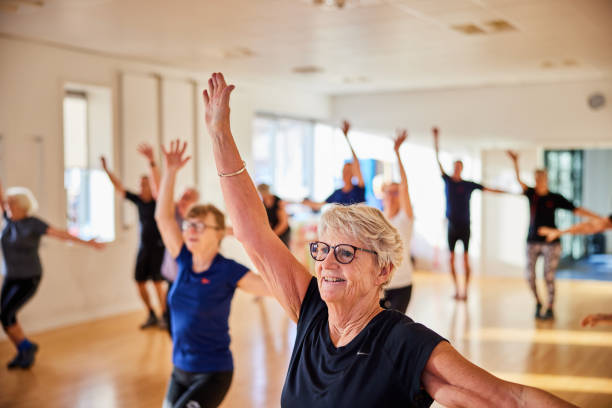
Low-impact cardio exercises can help you feel stronger and more active. At the same time, they can be easier on your joints. So, they work well for beginners. They also work well for many older adults. Even better, you do not need a gym to start. You can begin at home, outdoors, or in a pool. Also, you can scale the effort up or down. That makes this style of cardio a smart choice for many bodies and ages. The CDC says adults should aim for at least 150 minutes of moderate activity each week. So, low-impact cardio exercises can help you reach that goal in a joint-friendly way.
What Low-Impact Really Means
Low-impact does not mean easy. It means you reduce pounding on your joints. In low-impact moves, one foot often stays on the ground. Or, your body weight gets supported, like in water. Because of that, you can still raise your heart rate. However, you lower stress on ankles, knees, and hips. Cleveland Clinic notes low-impact cardio can improve fitness while limiting joint stress. So, it can fit beginners and people with aches.
Who Can Benefit the Most
Many people can benefit from this approach. Still, it helps to know why it fits certain groups so well. Here are common reasons people choose low-impact cardio:
- You are new to exercise, so you need a gentle start.
- You have knee, hip, or back discomfort.
- You feel stiff in the morning, so you want smoother movement.
- You are returning after time off or an injury.
- You want cardio that supports aging in place and daily function.
Also, older adults often do best with a mix of aerobic activity, strength work, and balance work. The CDC highlights that adults 65+ should include those parts each week. So, cardio is only one piece.
How Hard Should It Feel
You do not need fancy numbers. Instead, use a simple talk test. If you can talk, but you cannot sing, you are likely in a moderate zone. That level often matches the weekly activity goal shared by public health groups. Also, start slower than you think you need. Then, build over time. That keeps your body happy. It also helps you stay consistent.
Quick safety checklist before you start
If you are a beginner or older adult, safety comes first. So, take one minute and run through this list:
- Wear supportive shoes with a steady sole.
- Drink water before and after your session.
- Warm up for 5 minutes with gentle movement.
- Stop if you feel sharp pain, chest pressure, or dizziness.
- Use a chair or wall for support when needed.
Also, if you have heart disease, diabetes, or balance issues, ask your clinician first. That step can help you train with more confidence. The National Institute on Aging also encourages safe, steady movement as part of healthy aging.
Best Low-Impact Cardio Exercises to Try
Below are solid options you can do almost anywhere. Also, you can mix and match them during the week.
1) Brisk walking
Walking is simple and flexible. So, it is often the first choice. You can walk outside, in a mall, or on a treadmill. Also, you can change speed quickly.
Try these easy upgrades:
- Swing your arms more on purpose.
- Walk up a gentle hill for short bursts.
- Add short, faster minutes, then return to an easy pace.
2) Stationary cycling
Cycling supports your body weight, so your joints get less pounding. Also, you can adjust the resistance in seconds. That makes it easy to stay in control.
Good tips for comfort:
- Keep your seat high enough to reduce knee strain.
- Keep your shoulders relaxed, not hunched.
- Start with light resistance, then add small amounts.
3) Swimming
Swimming is low-impact because water supports your body. So, it can feel great for sore joints. Also, it trains the heart and lungs.
If you do not love laps, you can still get results:
- Swim easy lengths with breaks.
- Use a kickboard for simpler movement.
- Try short steady intervals, then rest.
4) Water aerobics
Water classes can be beginner-friendly and social. Also, the water adds gentle resistance. That can improve fitness without harsh impact. If you feel nervous, start near the pool wall. Then, move out as you feel ready.
5) Elliptical machine
An elliptical keeps your feet moving without pounding. So, it can feel smoother than running. Also, many machines have handles for upper-body support. Start with low resistance. Then, increase slowly when your form feels steady.
6) Rowing machine
Rowing is low-impact when done with good form. Also, it uses both the upper and lower body. That can feel efficient. However, keep your back tall. Also, push with legs first. Then, pull with your arms.
7) Chair cardio
Chair cardio helps if you have balance limits. It also helps if you are rebuilding strength. You can raise your heart rate with seated moves.
Here are simple chair options:
- March your feet fast.
- Punch forward and up.
- Do seated knee lifts.
- Do seated step-outs to each side.
A Simple Table to Help You Choose
Use this guide to match an exercise to your needs. Also, keep the first week simple.
| Exercise | Best for | Where it fits | Easy way to level up |
| Walking | Most beginners | Anywhere | Add short, faster bursts |
| Cycling | Knee-friendly cardio | Home or gym | Add light resistance |
| Swimming | Joint support | Pool | Add extra lengths |
| Water aerobics | Low-stress movement | Pool | Increase pace |
| Elliptical | Smooth cardio | Gym | Add resistance slowly |
| Rowing | Full-body cardio | Gym or home | Add short intervals |
| Chair cardio | Balance support | Home | Increase speed |
Beginner-Friendly Routine Ideas
A routine helps you stay on track. Also, it reduces decision fatigue. Below are simple plans that work for beginners and older adults.
Plan A: 3 days per week (very beginner)
- Day 1: Walk 15–20 minutes, easy pace
- Day 2: Cycle 15–20 minutes, light resistance
- Day 3: Walk 15 minutes + gentle stretching
Keep it easy in week one. Then, add 5 minutes the next week.
Plan B: 5 days per week (steady starter)
- Day 1: Walk 25 minutes, moderate pace
- Day 2: Chair cardio 15 minutes + easy walk 10 minutes
- Day 3: Cycle 25 minutes, light to moderate
- Day 4: Water aerobics or swimming 20–30 minutes.
- Day 5: Walk 25 minutes with two short, faster bursts
This plan can help you build toward the weekly activity goal. The CDC’s adult guidance supports consistent weekly movement for health.
How To Build Progress Without Hurting Your Joints
Progress matters, but comfort matters more. So, use small changes. Also, change one thing at a time. Here are safe ways to improve:
- Add 5 minutes to one session each week
- Add one extra day every two weeks
- Add short intervals, like 1 minute faster, then 2 minutes easy
- Add light resistance on a bike or elliptical
Also, keep one easy day each week. That day helps with recovery. It also helps you stay consistent.
Warm-Up And Cool-Down That Take Five Minutes
Many people skip this. However, it can help your joints feel better. It can also reduce stiffness later.
Simple warm-up (5 minutes)
- Slow walking or easy cycling.
- Shoulder rolls and gentle arm swings.
- Easy ankle circles, if you can.
Simple cool-down (5 minutes)
- Slow your pace for 2 minutes
- Then, stretch calves, thighs, and hips gently
Keep stretches mild. So, you feel a light pull, not pain
Common Mistakes That Make Cardio Feel Too Hard
If low-impact cardio feels rough, the issue is often fixable. So, check these common problems:
- You start too fast, so you burn out
- You skip warm-ups, so you feel stiff
- You hold your breath during effort
- You choose poor shoes for walking
- You do the same routine daily, so your body gets sore
Instead, slow down first. Then, build. Also, rotate workouts to spread stress around.
Low-Impact Does Not Mean Low Results
People sometimes think they need to run to count. However, moderate cardio like brisk walking can support heart health. Harvard Health notes moderate-intensity cardio, like brisk walking, can help meet federal activity goals. So, focus on steady habits. Also, focus on consistency. That matters more than doing hard workouts once in a while.
How Older Adults Can Make Cardio Feel Safer
If you are older, you may care more about confidence and balance. That is smart. Also, simple setup changes help a lot.
Try these safety supports:
- Walk on flat, even paths
- Use railings on treadmills when needed
- Choose a recumbent bike for extra back support
- Do chair cardio on days you feel unsteady
- Add balance practice on non-cardio days
The CDC notes that older adults benefit from aerobic, strength, and balance activities each week. So, a balanced plan can support daily life.
How to Keep It Interesting, So You Do Not Quit
Motivation fades when workouts feel boring. So, make the plan feel real for your life. Also, keep choices simple.
Here are easy ideas:
- Walk with a friend twice a week
- Listen to a podcast during cycling
- Use a timer for simple intervals
- Pick a favorite route and repeat it
- Track sessions on a calendar for quick wins
Also, celebrate effort, not perfection. Then, you are more likely to keep going.
Mini Starter List: You Can Save
If you want a quick list, use this. Then, start today with one choice.
- Pick one cardio option: walking, cycling, swimming, water aerobics, elliptical, rowing, or chair cardio.
- Pick one time goal: 10 minutes, 15 minutes, or 20 minutes.
- Pick one pace rule: you can talk, but not sing.
- Pick one next step: add 5 minutes next week.
This approach feels simple. Also, it works because it is realistic.
Easy Cardio That Fits Real Life
Low-impact cardio exercises can help you move more, with less joint stress. So, they are a smart option for beginners and older adults. Also, they can fit real life, since you can do them almost anywhere. Start small, stay steady, and build with time. If you want more beginner-friendly fitness guidance, explore Health and Wellness Hub for more helpful articles and routines.
FAQs
What are the best low-impact cardio exercises for beginners?
Walking and cycling are great starters. Also, chair cardio can help if balance is a concern.
Can older adults do low-impact cardio every day?
Many can, especially at an easy pace. However, it helps to rotate options. Also, include rest when needed.
How much cardio should I do each week?
The CDC recommends at least 150 minutes of moderate activity weekly for adults.
Do I need equipment for low-impact cardio?
No, not always. Walking needs only good shoes. Chair cardio needs only a stable chair.
Is low-impact cardio good for joint pain?
It can be, since it reduces pounding. Cleveland Clinic notes it can limit joint stress while improving fitness.
