
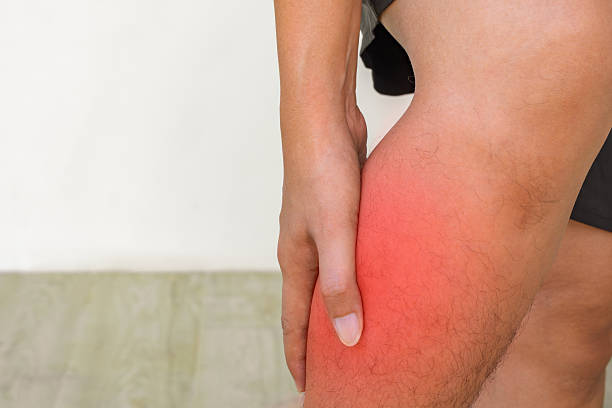
A sore knee after a long walk feels normal. However, some aches stick around. And when they do, your body may be sending a clear signal. Joint issues often start small. Yet they can grow fast if ignored. That’s why it helps to notice changes early. You don’t need to be a doctor to spot them. You need to pay attention.
Many people brush off stiffness or mild swelling. Still, these can be the early signs of joint inflammation. When inflammation builds, joints can feel hot, puffy, or hard to move. Over time, it may limit daily life. So, it’s smart to learn what’s normal and what’s not. In this guide, you’ll find simple signs to watch for. You’ll also learn what may cause them and what to do next.
Learning About the Early Signs of Joint Inflammation
Joint inflammation is your body’s alarm system. It happens when the tissues in or around a joint swell up. This irritation often causes the joints to swell, feel hot, and cause pain. In some cases, it can start after an injury. In other cases, it can happen without a clear reason.
The joint has a soft lining called the synovial membrane. This lining makes fluid that helps movement. When the lining gets irritated, it can cause extra fluid. As a result, the joint may look puffy. Also, the area may feel sore or tight. That soreness can turn into tender joints over time.
Why These Signs Get Missed So Often
Many joint problems start quietly. That’s why they get missed. People often assume discomfort is “just aging.” Others blame a busy week or bad sleep. Yet inflammation has its own pattern. So, learning that pattern makes a big difference.
For example, morning stiffness is a classic clue. It may show up before pain does. Also, the stiffness often improves as the day goes on. That detail matters. It can separate inflammation from simple strain. Another reason signs get ignored is speed. Symptoms can come and go. One day feels fine. The next day feels rough. Because of that, people delay care.
However, recurring flare-ups can harm joint tissue. Inflammation can gradually destroy cartilage. As a result, getting around may become difficult and unpleasant. The most important thing is to recognize the pattern that repeats.
Swelling that Keeps Coming Back
Swelling is one of the easiest things to notice. Still, a lot of people shrug it off. A joint may look bigger than usual. It can feel puffy, too. Rings may suddenly fit tighter. On one foot, shoes may feel tight. Edema is a typical side effect of hard exercise. However, if it persists, it may suggest inflammation. When the joint lining becomes inflamed, it frequently produces an excess of fluid. As a result, the region can accumulate more water and appear swollen.
If that swelling returns without a clear reason, it can be one of the early signs of joint inflammation. It may come with mild pain, or it may show up by itself. Either way, it’s worth paying attention.
Watch for swelling that:
- Lasts more than a few days
- Returns in the same joint
- Comes with warmth or stiffness
If swelling keeps coming back, it’s smart to track it. Write down when it happens. Also, note what you were doing that day.
Warmth and Redness Near the Joint
Heat is another strong sign. When inflammation rises, blood flow increases. Because of that, the joint may feel warm. In some cases, it may feel hot. You might notice this in knees, wrists, or fingers. Redness around joints can show up, too. It may look like a light flush or even resemble irritation caused by food that makes you sick. Or it may look like a clear red patch. Either way, warmth plus redness is worth noting. It can point to active inflammation rather than simple soreness.
Also, warmth often comes with pain during movement. Yet it can also show up at rest. That’s why it feels confusing. Still, body heat in a joint is not random.
If the joint feels warm and looks red, consider these steps:
- Rest the joint for a day
- Use a cool pack for short periods
- Track if the warmth returns
If it keeps happening, a clinician can help check for causes like inflammatory arthritis.
Stiffness that Slows Down Your Morning
Stiffness can feel like a rusty hinge. You wake up and feel stuck. Then you move around and loosen up. That “stuck then better” pattern matters. It often points toward inflammation. Many people feel stiff after sleeping incorrectly. However, inflammation-related stiffness tends to last longer. It can also return day after day. That’s why it deserves attention, as this is among the early signs of joint inflammation. It may show up before severe pain. Also, it may appear in several joints at once. Fingers may feel slow. Knees may feel tight. Ankles may feel stiff.
Stiffness can also lead to a limited range of motion. You may not fully open a jar. Or you may avoid squatting. Because of that, muscles can get weaker. Then the joint may feel worse. If your morning stiffness lasts over 30 minutes often, it’s wise to take it seriously.
Pain with Simple Movements
Pain can start quiet. You may feel it when you stand. Or you may notice it while typing. It can seem harmless at first. Yet it can grow over time. Inflammation pain often gets worse the more you use the joint. However, it can also show up after rest. Also, the pain may move around. It may not stay in one exact spot. Some patterns can still give clues.
If the same joint keeps acting up during regular movement, it’s smart to connect the dots. Those early signs of joint inflammation often show a pattern. Write down what triggered it, and note how long it lasted.
A Simple Chart to Help You Compare Common Symptoms
Sometimes it helps to see signs side by side. This table can guide what to watch for. It does not diagnose anything. Still, it can help you explain symptoms clearly.
| Symptom | What it can feel like | What to watch for |
| Joint swelling | Puffy, tight, or “full.” | Returns often or lasts days |
| Morning stiffness | Hard to move at first | Lasts over 30 minutes |
| Warm joints | Heat around the area | Happens without a workout |
| Redness around joints | Pink or red skin | Shows with warmth or swelling |
| Tender joints | Sore when pressed | Pain with light touch |
| Limited range of motion | Can’t bend or straighten | Worse over the weeks |
What Might Be Causing the Inflammation
Inflammation has many possible roots. Sometimes it comes from wear and tear. Other times, it comes from the immune system. And sometimes it’s both. So, it helps to know the main buckets. One bucket is arthritis, which is a broad term. It includes osteoarthritis, which is often linked to cartilage wear. It also includes rheumatoid arthritis, which is immune-driven. In that case, the body can attack the joint lining and trigger swelling and pain.
Another bucket is autoimmune disease more broadly. Some conditions show up in the joints first, which is why early signs of joint inflammation matter. Also, chronic inflammation in the body can raise the risk of joint problems. Poor sleep, high stress, and inactivity may play a role. Still, these factors don’t explain every case. That’s why a medical review can help.
What to Do When You Notice These Signs
You don’t need to panic. Yet it helps to act with purpose. Small steps can lower irritation. Also, they can help you learn your patterns.
Start with simple actions:
- Rest the joint for short periods
- Use cool packs for swelling or warmth
- Keep gentle movement each day
- Track symptoms in a note app
Also, avoid pushing through sharp pain. That can worsen irritation. Instead, choose low-impact movement. Walking, light stretching, or swimming may help. Still, pain should guide intensity. If symptoms last, a clinician can check for causes. They may ask about timing, stiffness, and swelling. They may also check blood markers. Or they may use imaging. Most of all, early care can help preserve mobility. That can protect work, hobbies, and family time.
Notice it Early, Start with Care
Small signs can carry big meaning. Swelling, warmth, stiffness, and soreness often show up first. So, noticing them early can protect your movement later. Also, it can lower the risk of long-term joint changes. If the same issues keep returning, that pattern matters. It may point to early signs of joint inflammation that need support.
The best next step is simple. Track symptoms, protect the joint, and seek guidance when needed. Early care often brings better results. It can also ease worry. If you want more simple, caring guides like this, keep reading Health and Wellness Hub. Learn more, and take your next step with confidence.
FAQs
1) Can joint inflammation happen without an injury?
Yes, it can start from immune activity or wear, even without trauma.
2) Is swelling always a sign of arthritis?
No, swelling can have many causes, but repeated swelling deserves a check.
3) How long should morning stiffness last before worry?
If it often lasts over 30 minutes, it’s worth discussing with a clinician.
4) Can food choices affect inflammation?
Sometimes, yes, because diet can influence overall chronic inflammation levels.
5) Should someone exercise during a flare-up?
Gentle movement can help, but sharp pain means it’s time to ease back.
