
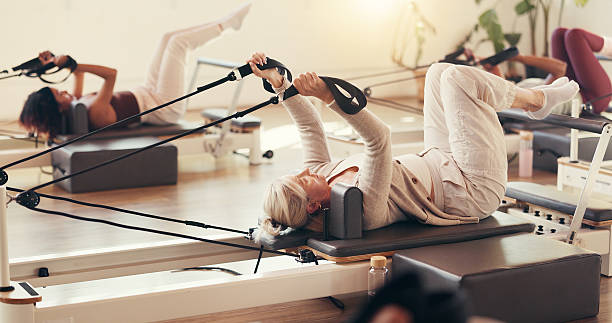
Life gets full fast. Work runs late. Kids need help. Traffic steals time. Even a good habit can slip. That does not mean you failed. It means your plan needs to fit real life. Better posture Pilates in Chicago can work well for busy people because it does not have to take over your day. A few smart changes can help you stay steady.
Many people quit when a plan feels too big. However, small steps are easier to repeat. You do not need the perfect week. Think of your movement like a busy schedule for fitness. It should bend with your life, not fight it. That is why simple choices matter most.
Why Better Posture Pilates Works for Busy People
A busy season does not mean you need a hard reset. It means you need a plan that is kind and realistic. Because Pilates focuses on control and form, you can get a lot from short sessions. That helps when your day feels packed.
A simple Pilates routine can fit before work, after dinner, or between meetings. In fact, many people do better with shorter practice because it feels doable. One mom might use fifteen quiet minutes before school drop-off. A remote worker might move during lunch. Both can stay steady. The key is not doing more. The key is doing enough, often.
Start Smaller Than You Think
Many people stop because they aim too high in week one. That makes the habit feel heavy. However, a smaller goal builds trust. Start with ten or fifteen minutes, two or three times a week. Let success come early.
If you are new, beginner Pilates is a smart place to begin. Short sessions teach control without draining you. Therefore, your body learns the moves and your mind feels less pressure. That is one reason better posture Pilates in Chicago can be easier to keep up with than workouts that demand long blocks of time. A small plan can still create real progress.
Put Movement into Your Real Day
You do not need a perfect calendar. You need a plan that matches your normal week. Look at when you already have a natural pause. That might be early morning, lunch, or right after work. Put movement there first. A simple weekly workout plan helps you stop guessing. When your time is chosen ahead of time, you are less likely to skip it because of stress or last-minute choices.
Try building your week like this:
- Pick two set days for class or home practice
- Keep one backup time for busy days
- Tie each session to something you already do
These are time-efficient workouts because they remove extra thinking. As a result, getting started feels easier.
Build a Week You Can Repeat
Your best plan is not the hardest one. It is the one you can do again next week. Because life changes, build around your busiest days first. Save your stronger effort for the days with more room. Keep the packed days light. Real Pilates consistency comes from repeatable choices. You do not need a seven-day streak. You need a steady rhythm that survives real life.
Here is a simple way to think about better posture Pilates in Chicago during a full week: one guided class, one short home session, and one reset day with gentle stretching. That mix keeps things practical.
| Week Style | Time Needed | Best Fit | Goal |
| Very busy week | 10–15 minutes | Home practice | Keep the habit alive |
| Normal week | 20–30 minutes | Class plus home | Build steady progress |
| Open week | 30–45 minutes | Guided sessions | Improve skill and control |
This is where habit formation really helps. Keep the pattern simple enough that you can return to it without stress.
Make Home Practice Easy
Some days, leaving the house is the hardest part. That is why home options matter. If your mat is ready and your space is clear, starting feels lighter. However, if you have to set up everything from scratch, you may put it off.
At-home Pilates works best when it feels easy to begin. Keep your mat in sight. Save one short video. Choose three moves you know well. That way, you can start in minutes. Pilates also works well as a low-impact workout. Your joints do not take the same pounding as they might with other exercise styles. Therefore, it can feel gentler on tired days while still helping you move with purpose.
Use Small Wins to Keep Going
Motivation rises and falls. That is normal. Do not wait to feel inspired every time. Instead, build rewards into the habit. Mark your sessions on a calendar. Notice how your back feels after a good week. Let those small wins count. Strong Pilates motivation often grows after the session, not before it. In fact, many people begin tired and finish glad they showed up. That is a useful mindset shift.
Try these quick reminders when your energy drops:
- Do five minutes instead of zero
- Focus on how you want to feel after
- Count showing up as success
Over time, those choices become part of your wellness routine. Small wins build staying power.
Let Pilates Support Your Energy
Pilates is not only about exercise. It also changes how you feel in your body during the day. Slower, focused movement can help you settle your thoughts. Because of that, it often supports both energy and calm. As a mind-body exercise, Pilates asks you to notice breath, alignment, and control. That focus can help break the rushed feeling that busy weeks create. You are not only moving. You are paying attention.
Many people turn to better posture Pilates in Chicago because it can support movement and daily comfort at the same time. As a result, the practice can feel useful beyond the studio. It can also act like a stress relief exercise. After a long workday, a short session can help you reset instead of carrying that tension into the evening.
Get Back on Track Without Guilt
You will miss days sometimes. Maybe travel happened. Maybe work blew up. Maybe your child got sick. Missing time does not erase your progress. However, guilt can make the break longer than it needs to be. Start again with one easy session. When you return, focus on core strength first. Slow, familiar moves help you reconnect without feeling overwhelmed. That gives you a safer and calmer restart.
A gentle reset can look like this:
- Begin with breathing and light warm-up moves
- Choose a short session, not your hardest one
- Stop while you still feel good
Then add flexibility training little by little. Your body remembers more than you think. Therefore, a kind restart by Better Posture Pilates often works best.
FAQs:
1. What if I only have ten minutes a day for a Pilates Session?
Ten minutes can still help. A short session is enough to keep the habit alive, reduce stiffness, and make it easier to return for a longer practice later.
2. Is it okay to miss a few days in a Pilates session?
Yes. Missing a few days is normal. What matters most is starting again quickly with an easy session, instead of waiting for the perfect time or mood.
3. Should I practice Pilates at home or go to class?
Both can work well. Classes give structure and guidance, while home sessions give flexibility. Many busy people do best when they use a mix of both.
4. How do I stay on track when work gets stressful?
Keep your plan smaller during hard weeks. Choose short sessions, schedule them early, and focus on how you feel after rather than chasing perfect performance.
5. What is the best way to restart a Pilates session after a long break?
Begin with gentle movement and simple breathing. Pick a short session, move slowly, and stop before you feel drained. A calm restart builds confidence faster.
