
The path to mental health care can feel overwhelming when so many terms sound alike. Therapy, counseling, and psychotherapy often overlap in conversation, but each has its own purpose. Understanding these differences is the key to finding the right support.

At the core of this decision is a simple but important question: psychotherapy vs counseling—which one truly meets your needs? With support from Wellness Counseling Services, LCSW, PLLC, it becomes easier to understand the differences, weigh your options, and take the first step toward greater clarity and balance.
Psychotherapy vs Counseling
Both make people feel and do better. But their breadth and depth are different.
Psychotherapy is a structured, professional process in which a trained mental health professional helps individuals, couples, or groups address psychological challenges, mental health disorders, and emotional difficulties.
Counseling is a supportive and often shorter-term process that helps individuals manage specific life issues, stressors, or transitions.
So, the choice you make will rely on your needs, your schedule, and your comfort. Many people ask about the difference between psychotherapy and counselling. Consider counseling as targeted coaching for today, while psychotherapy is a deeper renovation for tomorrow. Both can work together.
| Aspect | Counseling | Psychotherapy |
| Focus | Current issues | Root causes and patterns |
| Duration | Short to mid-term | Mid to long-term |
| Goals | Skills and solutions | Insight and lasting change |
| Examples | Stress, adjustment | Trauma, chronic cycles |
Common Methods In Each Approach
Counseling often uses brief, practical methods. You learn skills, try them, then review results. Psychotherapy adds depth work and long-term patterns. However, many tools appear in both. Because methods overlap, the difference between psychotherapy and counselling often comes down to how deep the work goes and how long it lasts. Determine what you want to achieve first, then pick the method to help you reach that goal.
Counseling Tools
- Solution-Focused techniques
- Motivational Interviewing
- Brief Cognitive Behavioral Strategies
Psychotherapy Tools
- Full CBT and schema work
- Psychodynamic therapy
- EMDR and trauma-focused methods
- DBT skills for emotion regulation
“Both counseling and psychotherapy offer healing—the path just looks slightly different.”
Couples Therapy
Relationships can lift or drain daily life. Couples therapy builds safer talks and fair repairs. Partners learn to slow arguments. Then they practice soft starts and shared problem-solving. Sessions may target money, roles, intimacy, or parenting. Homework helps skills stick. A skilled therapist guides both partners, not just one. For added community support between sessions, consider a wellness support group New York NY, to practice communication skills with peers. If the issue runs deep, psychotherapy helps explore patterns from earlier years.

Family Therapy
Families are systems. When one part hurts, the whole system reacts. Family therapy shifts the focus from “who is wrong” to “what pattern traps us.” Sessions set boundaries, clarify roles, and build calmer routines. Parents learn coaching, not chasing. Kids learn skills, not silence. Because change happens at home, small daily wins matter most. Over weeks, blowups shrink and repairs grow. If old pain or trauma drives the cycle, psychotherapy explores the roots. If a short-term stressor sparked it, counseling stabilizes the routine.
Family Wins

Individual Therapy
Individual work centers your story. You and your therapist set goals and pace. Sessions may blend coping skills with deeper insight. You track triggers, practice tools, and celebrate progress. For some, brief counseling solves a specific problem. For others, psychotherapy builds long-term change. For local expertise, many people turn to the best psychotherapists in Brooklyn NY, when facing complex patterns or recovering from trauma. For short-term needs, a brief counseling plan can provide quick relief and help build momentum.

Session Focus Ideas
- Reframing unhelpful thoughts
- Grounding and breath drills
- Boundary scripts for hard talks
- Value-based action plans
Mental Health Therapy
Anxiety, depression, grief, and trauma show up in thoughts, bodies, and habits. Mental health therapy addresses all three. First, you learn grounding and sleep skills. Then, you explore patterns that keep symptoms stuck.

That blend supports short-term relief and long-term growth. For many, this balance becomes the best of both paths.
Helpful Add-Ons
- Sleep hygiene checklists
- Mood and trigger tracking
- Movement and breath routines
- Crisis and safety plans
Which One Helps With Trauma, Anxiety, or Grief?
Both can help. However, depth matters with trauma and long-standing cycles. Psychotherapy often goes further for childhood wounds, complex grief, or repeated patterns. Counseling fits acute stress, life changes, and skill building. Many people also heal in groups. The benefits of group psychotherapy include shared learning, social practice, and lower isolation. If you want community options, acquire group psychotherapy services in New York to pair peer support with individual care.

Quick Guide
- Trauma history: Psychotherapy focus
- Panic spikes: Counseling skills, then depth work
- Fresh grief: Counseling support; deeper work later
- Chronic depression: Psychotherapy plus skills practice
Health, Nutrition & Lifestyle Coaching
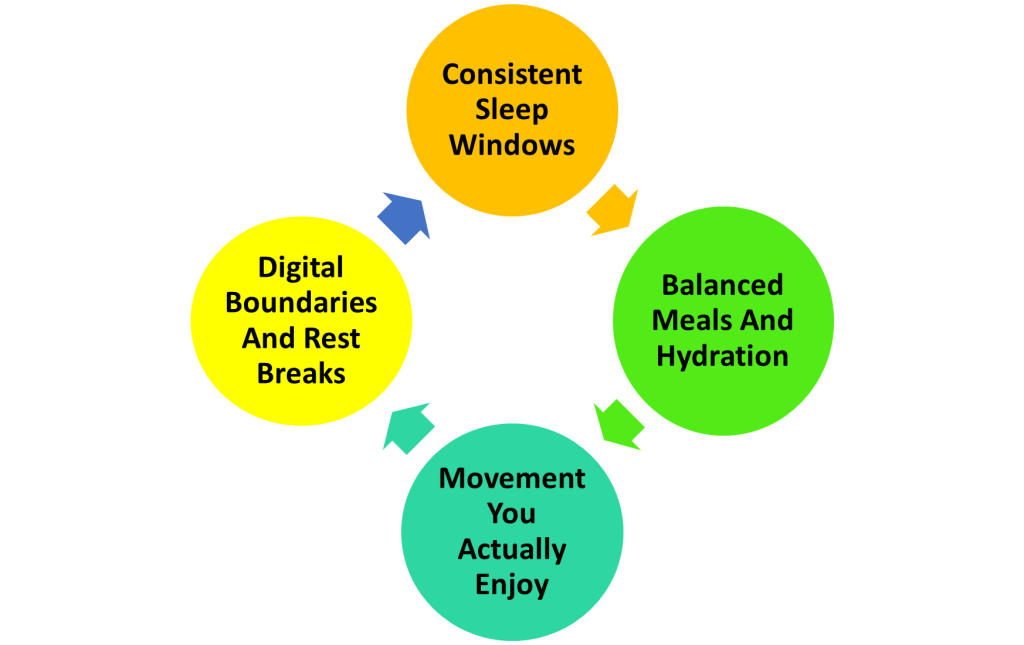
Mind and body work together. Coaching connects therapy gains to daily habits. You’ll set small goals for sleep, food, movement, and stress relief. Then you’ll track what helps and remove what doesn’t. Simple changes compound. Coaching fits with counseling and psychotherapy. It turns insight into action. Therefore, progress shows up in energy, focus, and mood. Over time, small habits protect the deeper work you do in sessions. In practice, the choice between psychotherapy vs counseling depends on what you need now and what you hope to change.
Coaching Targets
Choose The Right Fit For You
Start with your goal. Do you want fast skills for a recent challenge, or deep, lasting change? Next, ask about training, methods, and timeline. Then book one session and notice the fit. If community support helps, add a group to your individual plan. Many clinics offer both formats. Match the approach to your goals.
Choosing care is about fit, not labels. Counseling offers targeted tools for today’s challenges.

Psychotherapy explores deeper patterns for lasting change. Many people navigate psychotherapy vs counseling by using both at different stages. When you align goals, timeline, and comfort with the right level of support, progress feels steady and real. That’s the heart of this work: choose the path that meets you now and supports confident steps forward.
Ready to take a simple first step? Connect with Wellness Counseling Services, LCSW, PLLC, for a brief consult. Your balance starts here.
